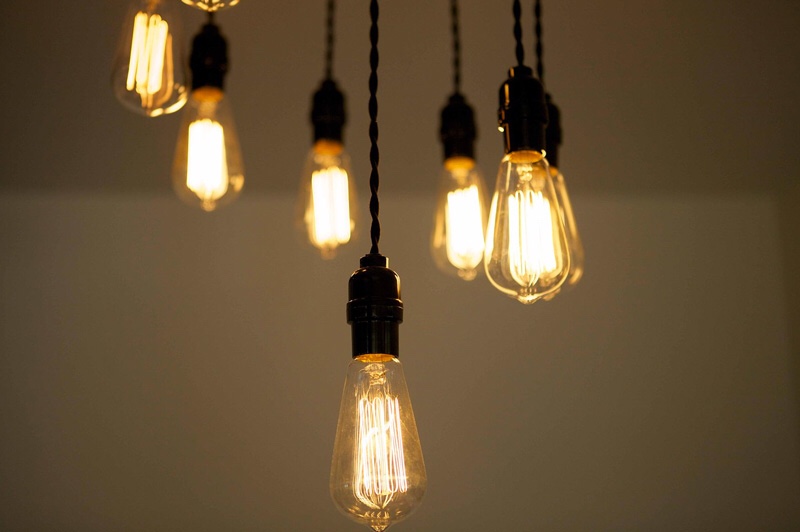
Few inventions over the past couple of centuries have been more resourceful and beneficial to human existence than electricity and artificial lighting. Consider, for a brief moment, just how often you use artificial lighting on a daily basis. Whether it be for academic endeavors late at night or just keeping your kitchen lit making breakfast during an early morning cooking session. Lights are almost as essential to the human experience as drinking bottled water or turning on the air conditioning.
The advent of the motion sensor automated light has only been a popular technological addition to homes and business buildings within the last decade or so. Many businesses with large square footage in their buildings have been realizing the glaring benefits of these automated motion sensing lighting systems and have begun to make the switch.
Some of the more notable benefits of switching to automated motion sensing lighting systems in lieu of the traditional light switches include but are not limited to electrical efficiency, no need to remember to turn on or turn off a physical switch, infrequency of replacement bulbs, and overall cost-effectiveness.
There are a few main types of automated sensor controls to lighting systems. Some companies offer technology that turns lights on when there is motion from people entering the room and subsequently turns the lights off when people exit the room. Another type of technology for the lighting system sets the lights to a timer and turns the lights on and off at specific times of the day or after a specified duration of time, depending on the type of system.
The United States Department of Energy actually has a website called “energyusecalculator.com” that can calculate how much money you can save by switching to the motion-sensor lighting systems. According to the equation on the website, you calculate how much energy the light bulb consumes per hour and multiply it by the amount charged by the energy provider per kilowatt-hour. The end result is a total dollar amount per hour on how much regular lights cost you and how much you would theoretically save if you switched to the automated lighting systems.
Whether you own a regular suburban townhome or a multi-floor commercial business building, the transition to automated lighting systems might be the prudent thing to do in your near future. Your motivation can be for environmental or economic reasons. It might be time to turn off the switch to these regular traditional lighting systems and install the motion sensor system.
Source List
https://www.energy.gov/energysaver/save-electricity-and-fuel/lighting-choices-save-you-money/lighting-controls
https://www.saveonenergy.com/learning-center/post/do-motion-sensor-light-switches-save-energy/
https://theecoguide.org/benefits-using-motion-sensor-light-switches
https://www.energy.gov/energysaver/save-electricity-and-fuel/lighting-choices-save-you-money/when-turn-your-lights
http://energyusecalculator.com/electricity_cfllightbulb.htm
https://www.doityourself.com/stry/5-benefits-to-a-led-motion-sensor-light#b

Associate Editor, Environmental and Earth Law Journal
 Barry Law Environmental and Earth Law Journal
Leave a comment