We take medicine to fix our ailments and solve our most nagging problems. However, that same medication can also create problems in our ecosystems. We are told by government officials that disposing of expired or unused medication at proper disposal sites is important. However, the reasons for this practice are sometimes unclear. The EPA released guidelines on how someone should properly dispose of medicines in October 2009. [1] One key recommendation is not to flush the medicine down the toilet. This is an important factor to protect public safety and the environment.
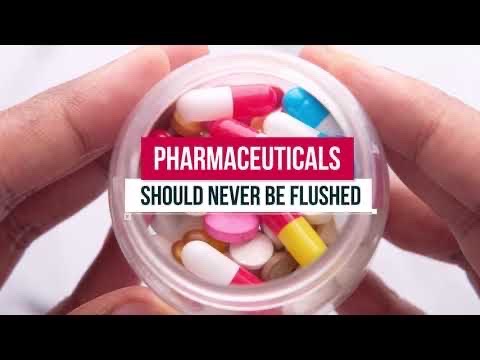
“Flushing pills down the toilet can be a water quality issue because wastewater treatment plants are not equipped to remove pharmaceuticals from the wastewater.” [2] This means that these chemicals are getting into the water supply and can drastically affect the environment. When you take medicine, your body cannot process everything, and trace amounts are excreted through urine. [3] This leads to contamination of the water system but is not something that can be prevented. [4] This is why it is so important to dispose of medicine properly, so it does not create more exposure of medicine to our water supply than necessary.
A study by the World Wildlife Fund found that Earth has “lost one half of the animal population” within “the past 40 years.” [5] More so, “In freshwater habitats, where drug residues are most commonly found, the research found 75% of fish and amphibians had been lost.” [6] One study from 2000 indicated that “80% of the rivers and streams” contained “levels of various medications.” [7] The residual medicine has been found to delay the “metamorphosis of frogs”, altering the “reproductive systems in frogs and fish, and other negatively impacting effects on the creatures that live in and around our waterways. [8] These statistics shed light on an issue that must be addressed before things get worse. If we continue to have individuals flush unused or expired medicine, there will be irreparable damage to ecosystems across the planet.
Another common method of improperly disposing of medication is simply throwing them away in the trash. This can also be harmful to the environment and the public if the medicine is discovered by others or by animals. The most prevalent cause of death for accidental poisonings in children is consuming medication that has not been stored or discarded properly. [9] If someone has a curious child or pet that gets into the garbage and consumes these medicines, then the unsuspecting consumer may suffer serious medical issues. Additionally, wild animals who may stumble upon the medicine may mistake it for food and get sick or die from ingesting it. As mentioned earlier, human interference with nature has killed off animal populations at alarming rates. [10] If we as a population can take minimal extra steps to dispose of medicine in the appropriate ways, we can prevent unneeded harm to our communities and ecosystems.
The creation of online help sites that indicate where one could dispose of medication or give tips on how to neutralize the threat the medication can impose is important in continuing the goal of keeping our waters clean. The Food and Drug Administration has resources to locate centers where an individual may bring unused medication to dispose of properly. [11] Additionally, most drug stores have an area where a person may return unused medications. Additionally, education on the negative impacts of improperly disposing of medicines can help the public understand what flushing or throwing away their unused medicine can do to the environment and community. This is an issue that can be easily resolved if everyone works together and does their part.
Written by Josh Floth, Associate Editor 2022-2023
 Barry Law Environmental and Earth Law Journal
Leave a comment